
Ever left a massage feeling incredible, only to have a friend ask, “Don’t you feel sick from all the toxins released?” It’s a common question, and it’s time we tackled it head-on. So, what is the truth about massage therapy?
The world of massage is full of well-meaning but incorrect advice. These common myths in massage therapy can make people hesitant to enjoy a treatment that offers countless benefits for both body and mind.
In this article, we’re separating massage myths from facts. We’ll clear up the confusion around five big misconceptions, giving you the clear, science-backed information you need to relax and recover with confidence.
So, if some of what we’ve heard are myths about massage therapy, what’s the real story? Let’s break it down in simple terms.
At its heart, massage therapy is the skilled manipulation of your body’s soft tissues—your muscles, of course, but also the connective fabric (called fascia) that holds everything together. Think of it like gently kneading and stretching a piece of dough to make it more pliable. A therapist uses their hands to apply pressure and movement, which does some pretty amazing things inside you.
This is where we get to the scientific facts about massage. This hands-on work increases blood flow, much like unkinking a garden hose to get water flowing to your plants. This improved circulation delivers a fresh supply of oxygen and nutrients to your muscles, helping them heal and recover. It also encourages the movement of lymph fluid, which is a key player in your immune system. So, while it feels great on the surface, the benefits run deep, setting the stage for us to tackle those specific massage therapy myths one by one.
This is a big one. You’ve probably heard it: the idea that a massage flushes a wave of toxins into your bloodstream, leaving you feeling awful. Maybe you’ve even wondered after a session, “Can toxins released during massage make you sick?”
Let’s get this straight: massage does not release toxins in this way. Your body has a world-class, built-in detox system; your liver and kidneys. They are working around the clock to filter your blood and remove waste products. Massage doesn’t override this system or flood it with new poisons.
So, why do some people sometimes feel a bit off? If you’ve ever experienced feeling weak and shaky after massage, it’s not from toxins. It’s more likely from a combination of factors. Deep work on tight muscles can be a physical stressor for your body. It can also cause a temporary shift in your blood pressure or a release of metabolic byproducts like lactic acid that are already naturally present in muscle tissue. These are normal substances your body knows how to handle, not mysterious “toxins.” This is the real story behind those so-called detox symptoms after massage.
The bottom line? You don’t need a special detox diet after your appointment. The best thing you can do is exactly what you should always do: drink plenty of water to help your body with its normal processes. So, the next time someone asks, “Are toxins really released after a massage?” you can tell them it’s a biological mix-up.
After talking about that shaky feeling, it’s easy to see where this next myth comes from. Many people grit their teeth through a massage, convinced that intense pain is the price you pay for results. They operate on a “no pain, no gain” principle that simply doesn’t apply here.
The truth is, effective massage should be a “good hurt,” if it’s even a hurt at all. It’s the feeling of tension releasing, not of injury. If you’re holding your breath, clenching your fists, or praying for it to end, the pressure is too much. This is one of the most important myths and facts about massage to understand: communication is key. A great therapist will always encourage you to speak up and will adjust their pressure to your comfort level.
What does science say? Deep tissue massage studies reveal that its effectiveness isn’t rooted in pain. The goal is to get to deeper layers of muscle and fascia with steady, focused pressure to break up long-term tension. This can be intense, but it shouldn’t be painful. And when done correctly, it should feel like a relief, not a punishment.
If you believe that massage is just for working out a stiff neck, you’re missing the bigger picture. While unknotting tight muscles is a fantastic benefit, there’s much more to it. So, what else is happening when you’re on that table?
The answer touches on one of the most valuable secrets about what you didn’t know about massage benefits. A great massage does wonders for your nervous system too. When skilled hands ease physical tension, they also send signals to your brain to dial down its stress response. This is the real answer to the question, “Does massage release stress?” The answer is a yes.
This isn’t just a feeling; it’s a physiological change. This calming effect can lead to better sleep, improved mood, and even enhanced mental clarity. It’s a holistic approach to well-being that proves massage is as much a treatment for your mind as it is for your body.
If massage only offered a one-hour vacation from stress and pain, it would still be worthwhile. But to think its effects just disappear when you step off the table is one of the most common massage misconceptions.
Think of it this way: if you go to the gym once, your muscles don’t stay strong forever. Consistency is key. Massage therapy works in a similar way. While a single session provides immediate relief, the real magic happens with regular care. Each massage helps “train” your muscles to stay looser and your posture to improve, creating lasting change.
The “truth” is that massage is an investment in your long-term physical well-being. It’s not a quick fix; it’s a maintenance tool that keeps minor issues from becoming bigger ones. And because its benefits are for everyone, this leads us to our final myth about who exactly massage is for.
This final myth can prevent so many people from experiencing relief. The idea that massage is a luxury reserved only for athletes, spa-goers, or those with a specific ailment is simply not true. The act of debunking massage myths like this one is all about opening the doors to everyone who can benefit.
Whether you’re a construction worker with physical strain, an office worker with desk-posture fatigue, a parent carrying the weight of a toddler, or a retiree seeking better mobility, your body can benefit. The techniques may be adapted, like a gentler touch for someone new to bodywork, a more focused approach for an athlete, but the principle remains: skilled, therapeutic touch is a powerful tool for human wellness, regardless of age, gender, or lifestyle.
By now, it’s clear that these misconceptions have been creating unnecessary barriers. So, let’s bring all of these truths together and talk about what this means for you moving forward.
From detox confusion to the “no pain, no gain” fallacy, we’ve debunked the top five massage therapy myths you probably believe. The truth is that massage is a science-backed practice that offers lasting benefits for your body and mind. It’s not about enduring pain, but about supporting your body’s natural ability to heal and recover.
If you’re ready to experience the true benefits of therapeutic massage, we’re here to guide you. At Stretch-abilitation, we specialize in Massage Therapy designed to meet your unique needs, helping you move better and feel better. Have a question or ready to book your session?
Call us at (341) 221-1070.
Yes. Studies confirm it improves circulation, reduces stress hormones like cortisol, and aids muscle recovery, making it a proven method for pain and stress management.
Often due to myths. Some quit if they expect instant, permanent results or believe it must be painful, not realizing communication and consistency are key.
Yes, both physically and mentally. They work out tight muscle fibers and fascia while calming your nervous system, leading to profound relaxation.
None. This is a major myth. Your body's liver and kidneys handle detoxification. Massage works on muscles and circulation, not on releasing toxins.
It varies. For maintenance, once a month works well. For specific issues, more frequent sessions may be best. A qualified therapist can help you find the right rhythm.
Take the first step toward a stronger, healthier you. Whether you’re overcoming injury, easing pain, or boosting performance, Stretch-abilitation is here to guide you every step of the way. Book your consultation today and start your journey toward full recovery and renewed strength.
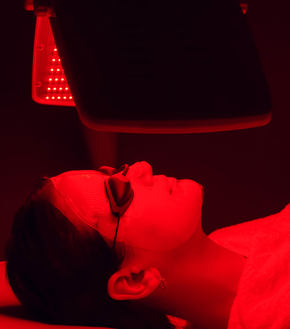
At Stretch-abilitation, we’re dedicated to restoring movement, relieving pain, and enhancing performance through advanced recovery therapies. From stone massage and physiotherapy to cryotherapy and infrared sauna, our evidence-based treatments help you heal faster, feel stronger, and live better. Experience expert care, modern technology, and personalised wellness designed to rebuild your strength and restore your balance.