
You heal faster when you follow a structured plan after surgery. Physiotherapy gives your body the support it needs to move, rebuild strength, and control pain. Each session guides your recovery with clear steps that match your condition and your daily routine. You understand your progress better when you know what will happen in each stage. This guide explains how physiotherapy after surgery works and how you can move through recovery with confidence. You can also read “10 Common Myths About Physiotherapy You Should Stop Believing” if you want simple explanations that clear up confusion before you start your treatment plan.
You need a clear plan after surgery. Movement stays limited, pain stays high, and your strength drops fast. You improve this when you follow benefits of physiotherapy after surgery. Each session helps your joints move better and keeps swelling under control. You work in short phases that match your healing speed.
Early sessions focus on simple actions. You stand, breathe, and move with support from early physiotherapy after operation. These steps keep your muscles active and protect your body from stiffness. You gain better comfort when you use a routine shaped by physiotherapy for recovery. This routine controls pain and helps you move with more confidence.
Clear structure makes your days easier. You follow steady guidance built through your step by step physiotherapy guide. This guidance shows you what to do, how often to do it, and how to avoid slow progress.
Strong recovery needs direction. Physiotherapy gives you that direction with safe movement, clear goals, and steady improvement.
Early sessions focus on steady movement and simple actions that protect the surgical area. Guidance shaped by post surgery physiotherapy sets each step and keeps the pace controlled.
Circulation becomes the main target in the beginning. Light ankle pumps, slow knee bends, and breathing drills reduce swelling and support joint motion. Comfort drives each movement so your progress stays safe and steady.
Structured plans lower stiffness and support better healing. Progress grows through routines built with a post operative physiotherapy routine that increases movement only when your body shows clear improvement. Stronger phases start once pain levels drop and mobility responds well.
This foundation prepares your body for recovery exercises after surgery, which guide the next stage of your rehab.
Recovery moves through clear phases. Each phase builds strength, improves motion, and prepares your body for the next level of work. Progress follows a structure shaped by your physiotherapy timeline after surgery, which keeps every session focused and safe.
Early movement starts with slow actions. These actions wake up your joints and improve blood flow without adding stress. Later phases introduce walking drills, light strength work, and controlled stretching. Every step follows a plan supported by guided physiotherapy steps that match your condition.
Progress stays steady when your plan follows clear steps. Each phase adds controlled movement that prepares your body for stronger work in the next stage. This structure builds the base for after surgery rehab exercises, which support strength, balance, and mobility through each level of recovery.
Strong results come from consistency, clear progression, and steady feedback from your therapist.
Home exercises support your progress between sessions. These movements improve strength, circulation, and joint control without putting stress on the surgical area. Each drill follows guidance shaped by your therapist and fits the pace of your recovery. Safe movements matter, and your plan improves when you follow safe exercises after surgery inside a controlled routine.
Slow actions work best early on. Knee bends, heel slides, and ankle pumps help your muscles switch back on. Short walks inside your home add steady motion. Light stretches improve comfort and help your joints move with less tightness.
Clear limits protect your healing tissues. Stop when pain rises or movement feels unsteady. Each step should feel controlled and smooth. Stronger drills come later when your body responds well to the early phase.
Home work builds confidence. It prepares your body for the next stage of clinic-based progress and helps your recovery stay on track.
Clinic sessions push your recovery forward with movements you cannot perform alone at home. These sessions improve strength, control, and stability through structured drills designed for your specific condition. Each action follows a plan shaped by guided physiotherapy steps, which keeps every movement clear and safe.
Therapists use light resistance, balance drills, and controlled joint work to rebuild strength. Manual techniques help reduce stiffness and improve tissue movement. Slow progress turns into stronger control when your sessions stay consistent.
Each drill targets a different part of your recovery. Some movements build strength in weak muscles. Others improve joint control or correct movement patterns that changed after surgery. Feedback during each step keeps your form clean.
Clinic sessions build confidence. They prepare your body for harder phases and help you reach long-term strength and mobility goals with more clarity.
Strength work grows in this stage. Muscles stay weak after surgery, and controlled loading brings them back to normal function. Joint movement also improves when you follow a plan built for your condition and your daily activity level. Progress becomes more noticeable as each drill builds stability and better movement patterns.
Therapists increase resistance slowly. Bands, step work, and balance drills help your legs, core, and supporting muscles work together. Mobility drills lower stiffness and help your joints move through clean ranges. This structure often feels smoother because the early phase already prepared your body for more effort.
Progress stays safer when your therapist follows a steady plan built for your condition. This kind of structure works best with a beginner physiotherapy routine for post surgery healing that raises load in small steps and keeps each drill controlled. Clear limits prevent strain and help correct weak movement patterns that formed before or after surgery.
Stronger phases build confidence. They make daily tasks easier and shorten the time you need before returning to normal activities.
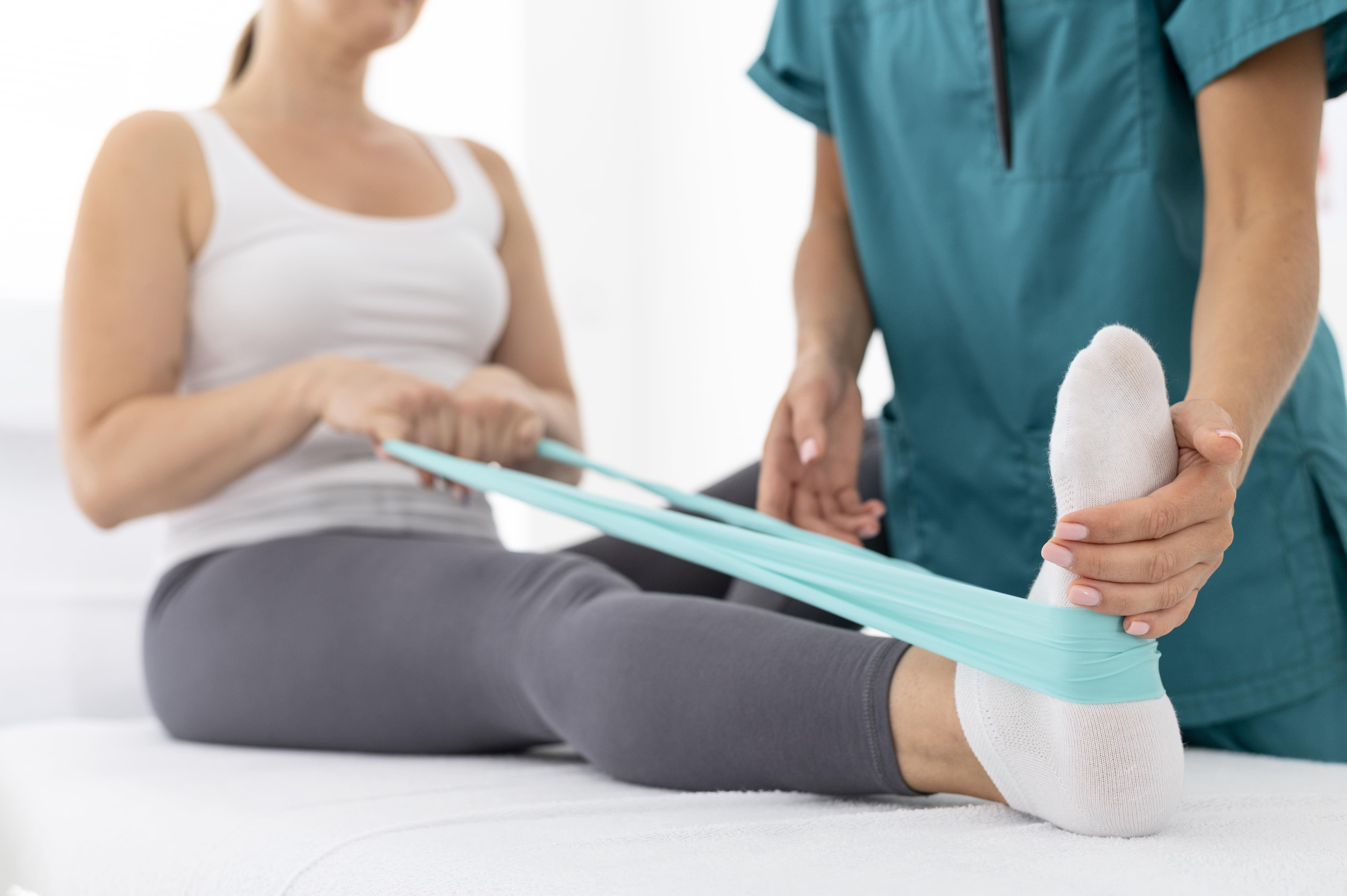
Recovery does not stop when pain drops. The body needs steady guidance to regain full strength and stable movement. Each step builds on the work you completed in earlier phases. Strong habits form during this stage, and those habits shape the quality of your results.
Progress improves when your routine follows a clear path built through how physiotherapy speeds up recovery. Stronger muscles reduce strain on the surgical area. Better balance lowers the risk of setbacks. Joint motion becomes smoother as each session aligns your technique with the needs of daily tasks.
Work in this phase prepares your body for regular activity. Tasks like climbing stairs, carrying objects, or walking longer distances feel easier when your strength grows in a structured way.
Steady effort creates long-term results. Each improvement builds the next, and your progress stays on track when your plan matches your pace and your goals.
Many people lose progress because they skip key steps or rush into movements their body is not ready for. These mistakes add stress to healing tissues and create setbacks that take extra time to fix. A focused plan protects your recovery and keeps your sessions productive.
Misreading early signals stays one of the biggest issues. Some people push through pain and ignore discomfort that shows poor form. Others stop too early and miss gains their body can reach. Clear expectations remove this confusion, especially when your routine already explains what to expect from physiotherapy after surgery during each stage of healing.
Strong recovery needs consistency, and missing sessions slow progress. Overtraining delays healing. Both extremes hurt the quality of your results. Steady work creates smoother motion, better strength, and cleaner movement patterns.
Correcting mistakes early keeps your routine controlled and your improvement steady.
Some phases of recovery feel slower than others. Strength stalls, stiffness returns, or pain rises during specific movements. These signals show that your routine needs adjustments. Quick communication with your therapist prevents setbacks and keeps your progress on track.
Pain that grows during simple tasks deserves attention. Swelling that returns after normal movement also needs review. Trouble walking, bending, or lifting often points to deeper issues that respond well to structured guidance shaped by what to expect from physiotherapy after surgery. Clear feedback helps your therapist fine-tune your plan before small issues turn into bigger problems.
Extra support gives you a new direction. Therapists adjust load, correct form, or change drills to match your current limits. These changes make your routine safer and more effective.
Staying open about your progress builds trust and helps your therapist guide you through each phase with better clarity.
Recovery works better with a clear plan. Each stage moves your body toward stronger motion, better balance, and steady confidence. Physiotherapy gives you structure when your strength feels low and your movement feels limited. This structure grows with your routine and helps your body reach safe progress without confusion.
Stronger phases become easier when each drill fits your limits. Pain drops when your movement stays controlled. Tasks like walking, standing, and climbing start to feel natural again. These signs show that your routine works and your body responds well to each step.
Therapist support keeps your progress on track. Sessions stay focused, limits stay clear, and movement quality improves week by week. This rhythm guides your recovery from the early days to the final phase, where strength and stability return to your normal routine.
Most people begin within a few days. Early steps stay light and follow guidance from your therapist. Starting early protects joints and supports clean movement.
Slow ankle pumps, light breathing work, gentle knee bends, and short indoor walks stay safe in most cases. Your therapist decides the exact routine.
Targeted drills improve blood flow, rebuild strength, and correct weak movement patterns. These actions shorten stiffness time and improve daily motion.
Most routines need daily home work and scheduled clinic sessions. Frequency depends on pain levels, strength, and mobility progress.
Expect simple movements, swelling checks, range-of-motion tests, and breathing work. Your therapist sets a plan that fits your condition.
Take the first step toward a stronger, healthier you. Whether you’re overcoming injury, easing pain, or boosting performance, Stretch-abilitation is here to guide you every step of the way. Book your consultation today and start your journey toward full recovery and renewed strength.

At Stretch-abilitation, we’re dedicated to restoring movement, relieving pain, and enhancing performance through advanced recovery therapies. From stone massage and physiotherapy to cryotherapy and infrared sauna, our evidence-based treatments help you heal faster, feel stronger, and live better. Experience expert care, modern technology, and personalised wellness designed to rebuild your strength and restore your balance.